 ROOTREACH
 SOURCING NOTES ·
Before mining parts ship, ask for photos of the actual item.
Ask for a photo set tied to each order line: the complete part, readable markings, agreed interfaces, quantity and packing. Keep any mismatch open for review before dispatch.
Open the photo checklist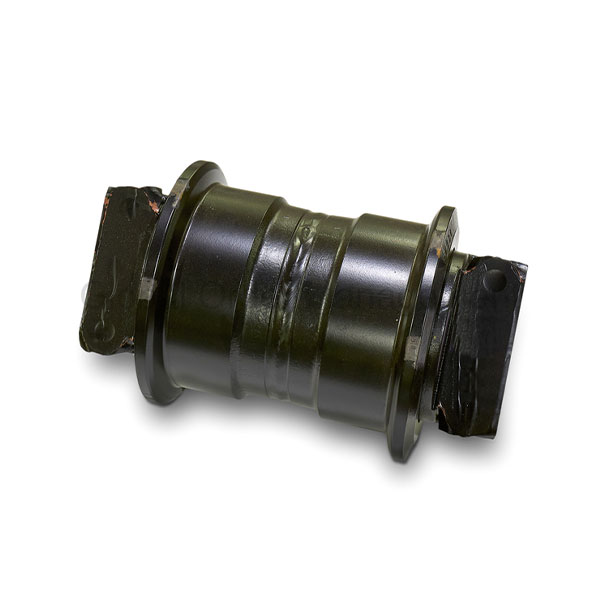
A supplier sends a clean product photograph. The part looks right. But is it the unit in the quotation, another unit from the same range, or the picture already on the website? That question matters before a buyer approves dispatch.
For a mining-parts order, a useful photo set connects something visible to something agreed. The marking should connect to a line on the parts list. The packing label should connect to a package on the packing list. Where the connection is missing, ask for it rather than filling the gap yourself.
BEFORE THE CRATE IS CLOSED
Five things to ask the supplier to show.
Agree the evidence you need when reviewing the offer. A request made after the part has been packed may require reopening a package or arranging another inspection. Use your order-line numbers throughout the photo set.
The complete proposed part
Request an overall view from enough angles to identify the supplied assembly and what comes with it. Ask the supplier to include the quotation or order reference and line number on a card in the photo set. A reference card helps link the records; it does not authenticate the product by itself.
Markings that can actually be read
Ask for close-ups of the label, stamped reference and other identifying marks that are present. Keep both the overview and close-up. If the number differs from your approved reference, request a written explanation and supporting information. A cropped number with no view of the part leaves an avoidable question.
The interfaces your reviewer needs to compare
For a roller, these may include its mounting features and the views specified on an agreed drawing. For a hydraulic component, ask the reviewer which label, connection and mounting views are needed. Where a dimension matters, specify the feature and measurement method; a ruler somewhere beside the part is not a dimensional report.
The units and accessories on each line
Ask the supplier to identify the proposed quantity and show the included hardware or accessories separately. A photograph of one piece says little about a multi-piece order. Where serial or batch marks exist, record them against the relevant line rather than assuming every unit is identical.
The packing before and after closure
Request views of the item inside its package, its visible restraint or protection, and the closed package with readable marks. Compare the package numbers with the packing list. Ask for declared package dimensions and gross weight for freight planning; photographs cannot establish either figure or prove that the packing is adequate for the route.
ONE EXISTING CATALOGUE REFERENCE
Use 4666752 as the reference, then check the offered item.
Our existing track roller 4666752 enquiry page links to YUZUO's public listing. The listing is a starting point for a supplier enquiry. It does not identify a particular unit ready for your shipment.
In an enquiry for that reference, ask the supplier to connect the proposed roller to your machine details, drawing or old-part evidence. If the supplier proposes a different marking or configuration, keep the requested reference and proposed reference in separate fields. Your technical reviewer needs to see the difference before approving it.
If you are still identifying the old part, start with our photos for part matching guide. Old-part identification and pre-shipment review answer different questions: one helps define the requirement; the other helps document what the supplier proposes to send.
KEEP THE REVIEW SCOPE CLEAR
A good photograph still has limits.
Photos can make visible differences easier to spot. They cannot establish internal wear, material composition, performance under load or service life. A brand mark in a photograph also does not, by itself, establish genuine origin or manufacturer authorisation.
Define any required drawings, measurement records, tests, origin documents or independent inspection in the order. Ask who will carry out the work, what will be checked and which item or batch the records will cover. The appropriate checks depend on the part and the buyer's requirements; this photo checklist is not an engineering acceptance standard.
If something differs, identify the exact line and ask for a response against that issue. After a change, request the relevant evidence again. If everything appears consistent, record what was reviewed and who approved it. “Photos reviewed” is a narrower statement than “quality accepted” or “fitment confirmed.”
For related checks, read how part fitment is confirmed and evidence for origin, condition and warranty.
A REQUEST YOU CAN USE
Put the photo request in the same email as the order reference.
The downloadable text file has space for line numbers, the document revision, required views and unresolved questions. Adapt it to the actual offer and inspection agreement. It does not authorise dispatch or replace the agreed acceptance process.
Suggested email opening
Before we review this order for dispatch, please send current photos of the proposed items, linked to our order reference and line numbers. Include the complete parts, readable markings, agreed interface views, quantities and packing records. Please flag any difference from the approved specification in writing and keep the affected line pending our response.
Download the supplier photo-request template (.txt)BUYER QUESTIONS
Three questions before approval.
Are pre-shipment photos enough to confirm mining-part quality?
No. Photos can show visible markings, configuration, quantity and packing when clearly linked to the order. They cannot establish internal condition, material properties, performance or compatibility on their own. Agree the necessary documents, measurements, tests or independent inspection separately.
Can a supplier use the catalogue image as the shipment photo?
A catalogue image can identify the proposed product family, but it does not show the item being supplied. Request current photos of the proposed units with the quotation or order reference and the relevant line number visible in the set.
What should I do when a photographed marking differs from the approved part reference?
Keep that line pending. Ask the supplier to explain the difference in writing, provide the evidence for the proposed item and revise the offer if needed. Have your responsible technical reviewer assess the change before authorising dispatch.
WORK WITH ROOTREACH
Build the evidence request into your enquiry.
RootReach Global provides sourcing and trade coordination. Send Yang Aoxin your part references, machine details, quantity and destination. We can organise the supplier questions and record which details remain open. Inspection arrangements, compatibility and commercial commitments need to be agreed for the individual order.
Written by RootReach Global · 22 October 2026. Product reference and catalogue image: YUZUO's public 4666752 listing. The checklist and example email are RootReach editorial guidance, not supplier test results. Equipment names and part numbers are used for identification.